Despite Windows 10 being a mature operating system, activation errors remain one of the most common post-installation and post-upgrade issues faced by IT teams. One error that regularly surfaces in helpdesks, MSP environments, and enterprise deployments is:
Activation Error: 0xC004F050
“The product key you entered didn’t work. Check the product key and try again, or enter a different one.”
At first glance, this looks like a simple typo issue. In reality, 0xC004F050 is a catch-all activation failure that can be caused by licensing mismatches, hardware changes, corrupted system components, or even overloaded Microsoft activation servers.
In this article, I’ll break down what this error actually means, why it appears in real-world environments, and how to resolve it efficiently—without blindly reinstalling Windows or wasting time chasing the wrong root cause.
What Does Windows 10 Activation Error 0xC004F050 Mean?
Error 0xC004F050 translates to:
“The Software Licensing Service reported that the product key is invalid.”
However, “invalid” doesn’t always mean wrong.
From an activation standpoint, Windows considers a product key invalid if:
- The key doesn’t match the installed Windows edition
- The license is not eligible for activation on that hardware
- The activation channel (OEM, Retail, KMS, MAK) doesn’t match the environment
- Required licensing services or system files are damaged
Common Real-World Causes of 0xC004F050
Based on field experience, these are the most common triggers:
1. Incorrect or Mismatched Product Key
- Windows 10 Home key used on Windows 10 Pro
- Volume license key used on a non-volume ISO
- Typographical errors (still happens more than we like to admit)
2. Hardware Changes (Especially Motherboard or CPU)
Windows 10 licenses are hardware-bound. Significant changes—especially motherboard replacements—often invalidate the digital entitlement.
Pro Tip: RAM, GPU, and storage upgrades rarely cause activation failures. Motherboard changes almost always do.
3. License Channel Conflicts
- OEM key used on a different device
- KMS key used outside an enterprise activation environment
- MAK key exceeded its activation count
4. Corrupt or Missing Licensing System Files
Damaged system components can prevent proper validation, even if the key is valid.
5. Activation Server or Connectivity Issues
During large-scale upgrades or outages, Microsoft activation servers can be temporarily unavailable—leading to misleading error messages.
Step 1: Verify Windows Edition Before Doing Anything Else
One of the most overlooked steps.
Check Installed Edition
Go to:
Settings → System → About
Confirm the installed edition matches your product key:
- Windows 10 Home
- Windows 10 Pro
- Windows 10 Enterprise
- Windows 10 Education
A Windows 10 Pro key will not activate Windows 10 Home—and vice versa.
If the edition is wrong, activation will never succeed until it’s corrected.
Step 2: Re-Enter the Product Key (Yes, It Still Matters)
Even seasoned IT pros should rule this out early.
Steps
- Start → Settings → Update & Security
- Select Activation
- Click Change product key
- Enter the 25-character key
- Complete the wizard
If it fails immediately, move on—don’t keep retrying the same key.
Step 3: Use the Windows Activation Troubleshooter
The Activation Troubleshooter is more powerful than many assume—especially for hardware-change scenarios.
How to Run It
- Go to Settings → Update & Security → Activation
- Click Troubleshoot
If your Microsoft account is linked to the license, the troubleshooter can:
- Reassign the license after hardware changes
- Detect edition mismatches
- Fix common entitlement issues
Real-world insight: This works surprisingly well for retail licenses tied to Microsoft accounts, less so for OEM keys.

Step 4: Activate Windows Using the Automated Phone System
This method is old-school—but still effective when online activation fails.
When to Use It
- Valid key confirmed
- Online activation consistently fails
- KMS infrastructure not available
Steps
- Press Win + R, type
slui 4 - Select your country
- Call the provided number
- Enter the Installation ID
- Receive and enter the Confirmation ID
This method often bypasses transient activation server issues.
Step 5: Repair Licensing and System Files (Highly Underrated Fix)
Activation relies heavily on Windows servicing and licensing components. Corruption here can trigger false activation failures.
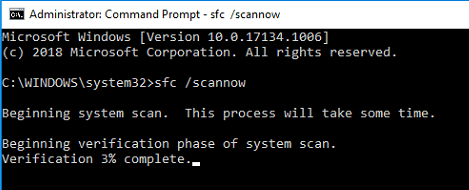
Run System File Checker
Open Command Prompt as Administrator, then run:
sfc /scannow

It will run the System File Checker.
Run DISM
After SFC completes:
DISM /Online /Cleanup-Image /RestoreHealth

Reboot and retry activation.
I’ve personally resolved multiple 0xC004F050 cases caused by partially failed Windows updates using just these two commands.
Step 6: Check License Type and Activation Channel
Use this command to get clarity:
slmgr /dli
This reveals:
- License type (OEM, Retail, Volume)
- Partial product key
- Activation status
If you’re using:
- OEM: License is tied to original hardware
- Retail: Can be transferred (one device at a time)
- KMS/MAK: Must align with enterprise activation infrastructure
Misalignment here guarantees failure.
Step 7: When Hardware Has Changed – What Actually Works
If the motherboard was replaced:
- OEM licenses usually cannot be reactivated
- Retail licenses can often be reassigned
- Microsoft Account linkage dramatically improves success
If activation fails even after troubleshooting:
- Contact Microsoft Support
- Be prepared to explain the hardware change
- Have proof of license purchase ready
Final Option: Reset Windows (Only as a Diagnostic Step)
If all else fails, resetting Windows can determine whether the issue is software or licensing-related.
Reset Path
Settings → Update & Security → Recovery → Reset this PC
If activation still fails after reset, the issue is almost certainly:
- License eligibility
- Hardware binding
- Activation channel mismatch
Final Thoughts: Treat Activation Errors as Licensing Signals
Activation error 0xC004F050 isn’t just an annoyance—it’s Windows telling you that something doesn’t line up between the OS, the license, and the hardware.
From real-world IT experience, the biggest time-savers are:
- Verifying Windows edition early
- Understanding license types
- Respecting hardware-binding rules
- Repairing system components before reinstalling
Blind reinstallation rarely fixes activation issues—and often makes them harder to diagnose later.
If you approach 0xC004F050 methodically, it’s almost always resolvable without drastic measures.

From my early days on the helpdesk through roles as a service desk manager, systems administrator, and network engineer, I’ve spent more than 25 years in the IT world. As I transition into cyber security, my goal is to make tech a little less confusing by sharing what I’ve learned and helping others wherever I can.