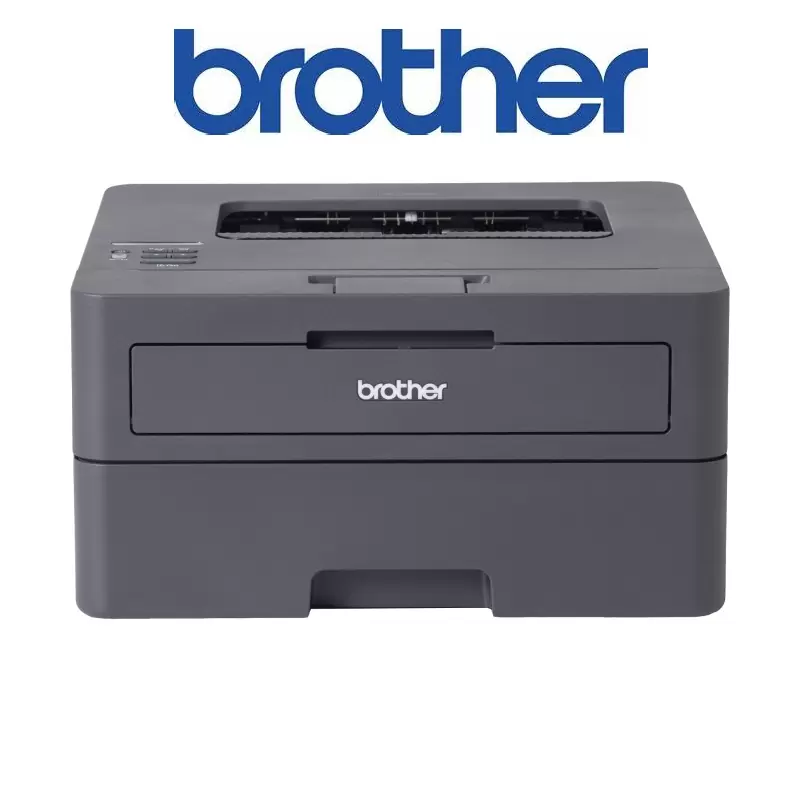
Brother Printer Default Password

When deploying Brother printers in a home office or enterprise environment, the first hurdle is often accessing the device’s administrative settings. These settings allow you to configure network connections, manage print queues, update firmware, or enable advanced features such as scan-to-email.

Many IT professionals and office administrators run into an obstacle at this stage: the default credentials. Knowing these default usernames and passwords is critical not only for setup but also for ongoing management and security.

Leaving these credentials unchanged is a serious security risk. Modern printers are no longer isolated peripherals—they’re network-connected endpoints. Attackers can exploit default credentials to:

  • Access sensitive documents in the print queue
  • Alter device settings or disable logging
  • Use the printer as a foothold into the corporate network

In this article, we will explain the default login credentials, how to access the admin interface, how to change passwords securely, and what to do if you’ve forgotten your password.


Brother Printer Default Passwords

Most Brother printers come with a default admin username and password, which are generally uniform across models:

Default Credentials:

  • Username: admin
  • Password: access

Some older or alternative models may use:

  • Password: initpass
  • Printer-specific default password: Listed on a sticker at the back or bottom of the printer, often labeled “Pwd”

Tip for IT admins: Always check the printer’s serial number label. Certain enterprise models tie the default password to the device’s serial number for enhanced security during initial deployment.


Accessing the Brother Printer Admin Interface

To manage your Brother printer, you must first access its administrative interface. Here’s how:

Step 1: Find the Printer IP Address

  • Using the printer control panel: Navigate to Menu > Network > TCP/IP or Wi-Fi Status.
  • Printing a network configuration page: Most Brother printers allow you to print a page detailing the IP address and current network configuration.

Step 2: Open a Web Browser

  • Type the printer’s IP address into your browser’s address bar (e.g., http://192.168.1.100).
  • This opens the web-based management interface.

Step 3: Login with Default Credentials

  • Username: admin
  • Password: access (or as listed on your printer’s label if the default fails)

Changing the Brother Printer Password

Once logged in, changing the default password is critical. Leaving the default password exposes the printer and connected network to unauthorized access.

Step-by-Step Password Change

  1. Navigate to Administrator Settings or Login Settings in the web interface.
  2. Look for Change Password or Administrator Password.
  3. Enter the current password (access) and a strong new password.
  4. Save your changes.

Password Best Practices for Printers:

  • Minimum 12 characters with letters, numbers, and symbols
  • Avoid easily guessed words like "password123" or company names
  • Avoid reusing passwords from other systems

Pro tip: Implement a password rotation policy for all networked devices, including printers. This mitigates risk if credentials are exposed in the future.


Forgotten Password? Factory Reset Procedure

If you’ve lost your Brother printer password, the only recourse is typically a factory reset.

Factory Reset Steps

  1. Power off the printer.
  2. Hold down the Go or Menu button while powering the printer back on.
  3. Navigate through the Maintenance Menu to locate Factory Reset or Network Reset.
  4. Confirm the reset and allow the printer to restart.

⚠️ Warning: Performing a factory reset erases all custom settings, including network configuration, scan-to-email setups, and previously saved passwords. Always back up important settings if possible.


Security Implications of Default Printer Credentials

Printers are often overlooked in corporate cybersecurity strategies. However, in real-world incident response investigations, compromised printers have been leveraged to infiltrate networks. Here’s why securing your Brother printer matters:

  • Document exposure: Attackers can access printed or scanned documents in the queue.
  • Network pivoting: Unsecured printers can serve as a bridge into internal networks.
  • Firmware tampering: Default passwords allow attackers to install malicious firmware or alter configurations.
  • Audit and compliance: Many compliance frameworks (ISO 27001, NIST CSF) require endpoint hardening, including printers.

From my experience managing enterprise environments, printers with unchanged default passwords are often the easiest entry points for malicious actors. Always treat them as endpoints, not peripherals.


Recommendations for IT Professionals

  1. Change the default password immediately during setup.
  2. Use strong, unique passwords per device.
  3. Implement network segmentation—printer VLANs prevent lateral movement.
  4. Enable HTTPS access to the admin interface to encrypt credentials.
  5. Keep firmware up-to-date to patch known vulnerabilities.
  6. Audit printer accounts regularly and ensure old devices are decommissioned securely.

Brother printers are essential tools in offices and enterprise environments, but default credentials can pose significant security risks. Knowing the default username and password, and understanding how to change and secure them, is a small but crucial part of IT asset management.

By implementing strong passwords, enforcing password rotation, and applying best practices for network segmentation and firmware updates, IT professionals can ensure that printers remain functional, productive, and secure.

Remember: Printers are networked endpoints. Treat them with the same security rigor as servers or workstations.

Leave a Reply

Your email address will not be published. Required fields are marked *