factory reset iphone

In today’s fast-paced IT environment, iPhones and iPads are critical tools for both personal and enterprise use. However, over time, even these devices can encounter performance issues, software glitches, or the need for a secure data wipe before transfer or disposal.

Factory resetting your iOS device ensures all personal data, apps, and settings are completely erased, returning it to a clean, default state. For IT professionals, understanding the nuances of resetting iPhones and iPads is essential—not just for troubleshooting, but also for maintaining security compliance and safeguarding sensitive information.

In this guide, we provide comprehensive, step-by-step instructions for resetting your device, with tips derived from real-world IT support experience.


Why and When to Factory Reset an iPhone or iPad

While a simple restart or software update can often fix minor issues, there are scenarios where a full factory reset is warranted:

  • Preparing to sell, trade-in, or repurpose a device – ensures personal and corporate data is completely removed.
  • Resolving persistent software bugs or system glitches – can eliminate stubborn errors that updates cannot fix.
  • Removing corporate Apple IDs or MDM profiles – crucial for devices leaving a managed IT environment.
  • Data security and privacy compliance – ensures no sensitive information remains on the device.

Pro Tip: In enterprise environments, always verify backups and document device ownership and reset procedures to ensure compliance with internal IT policies.


Pre-Reset Checklist: Ensure a Smooth Reset

Before performing a factory reset, IT professionals recommend taking the following preparatory steps:

1. Back Up Your Device

A reset completely erases all data, so backing up is critical:

  • iCloud Backup:
    Go to Settings > [Your Name] > iCloud > iCloud Backup > Back Up Now.
  • Computer Backup:
    Connect your iPhone/iPad to a Mac or PC and create a backup via Finder (macOS Catalina+) or iTunes (Windows/macOS Mojave and earlier).

Expert Insight: For managed devices, verify if any MDM policies or corporate apps require special backup procedures.

2. Disable Find My iPhone/iPad

Apple’s activation lock can prevent a reset if enabled:

  1. Go to Settings > [Your Name] > Find My > Find My iPhone.
  2. Toggle it off and enter your Apple ID password.

3. Sign Out of iCloud, iTunes, and App Store

  • This ensures that the device can be reassociated with a new Apple ID after reset.
  • Go to Settings > [Your Name] > Sign Out.

Method 1: Reset iPhone or iPad Without a Computer

For most users and IT administrators, the built-in iOS reset function is the simplest method.

Steps:

  1. Open Settings.
  2. Tap General.
  3. Scroll to Transfer or Reset iPhone/iPad.
  4. Tap Erase All Content and Settings.
  5. Enter your device passcode and Apple ID password if prompted.
  6. Confirm and allow the device to restart.

Real-World Tip: For devices with large storage (e.g., 512GB iPads), the reset may take several minutes. Ensure the device is connected to a power source during the process.


Method 2: Factory Reset Using a Computer

In enterprise IT, computer-assisted resets are often necessary—especially when remote management or recovery is involved.

macOS Catalina or Later

  1. Connect your iPhone/iPad via USB.
  2. Open Finder and select your device from the sidebar.
  3. Click Restore iPhone/iPad.
  4. Confirm when prompted.

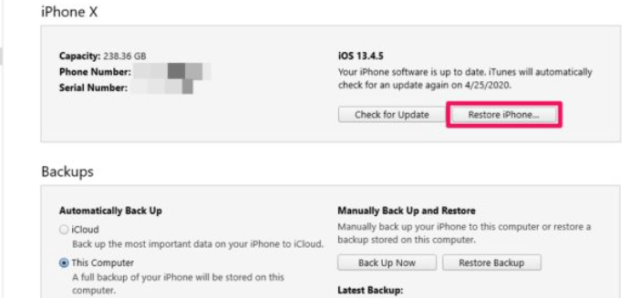
Windows or macOS Mojave and Earlier

  1. Open iTunes.
  2. Connect your device via USB.
  3. Click the device icon in the toolbar.
  4. Under the Summary tab, click Restore iPhone/iPad.
  5. Confirm and wait for the process to finish.

Pro Tip for IT Teams: Using iTunes or Finder is essential when resetting devices that have forgotten passcodes, MDM locks, or software issues that prevent on-device resets.


After the Reset: Restore or Set Up

Once the reset is complete, the device will display the Hello screen, ready for setup:

  1. Set Up as New – Start fresh without any previous data.
  2. Restore from Backup – Use iCloud or iTunes backups to recover apps, settings, and data.

IT Insight: When preparing devices for reuse in an enterprise, always opt to set up as new to avoid carrying over user-specific or legacy corporate profiles that could conflict with current policies.


Advanced Tips for IT Professionals

1. Erase and Restore Multiple Devices Efficiently

  • For enterprises, consider Apple Configurator or MDM solutions to reset multiple devices simultaneously.
  • Automating backups and reset procedures reduces downtime and human error.

2. Check for Firmware or iOS Updates Post-Reset

  • After resetting, install the latest iOS updates to ensure security patches and system optimizations are applied.

3. Verify Security Post-Reset

  • Confirm that Find My iPhone is off, iCloud accounts are cleared, and no residual corporate profiles remain.
  • Test the device by signing in with a temporary Apple ID before returning to the user or deploying.

4. Handle Persistent Issues

  • Some devices may fail to reset due to hardware errors or corrupted iOS firmware. In these cases:
    • Use DFU mode (Device Firmware Update) for a deep restore.
    • Consider Apple Support or Enterprise Repair Programs for devices that repeatedly fail.

Common Mistakes and How to Avoid Them

MistakeHow to Avoid
Forgetting to back up dataAlways confirm iCloud or computer backup before resetting
Leaving Find My iPhone enabledDisable it in Settings to prevent activation lock
Resetting without powerConnect device to power for large storage models
Reusing old backups blindlyVerify backup integrity and remove outdated profiles
Ignoring software updatesInstall latest iOS for security and performance

Insight from IT Support: Many issues arise because technicians rush through resets. Document each step, especially for corporate devices, to ensure accountability and compliance.


Conclusion

Resetting your iPhone or iPad to factory settings is a critical skill for IT professionals managing Apple devices. Whether troubleshooting persistent software problems, ensuring data privacy, or preparing devices for resale or redeployment, a proper factory reset guarantees that devices are secure, functional, and ready for their next user.

By following this 2026 expert guide, you can confidently reset devices using either on-device options or computer-assisted methods. Combine this with careful backups, MDM policies, and post-reset verification to maintain security, compliance, and operational efficiency in your IT environment.

Final Expert Tip: Make factory resets a routine part of your IT workflow. Over time, standardizing this process will save time, reduce errors, and increase the longevity of enterprise Apple devices.

Leave a Reply

Your email address will not be published. Required fields are marked *