
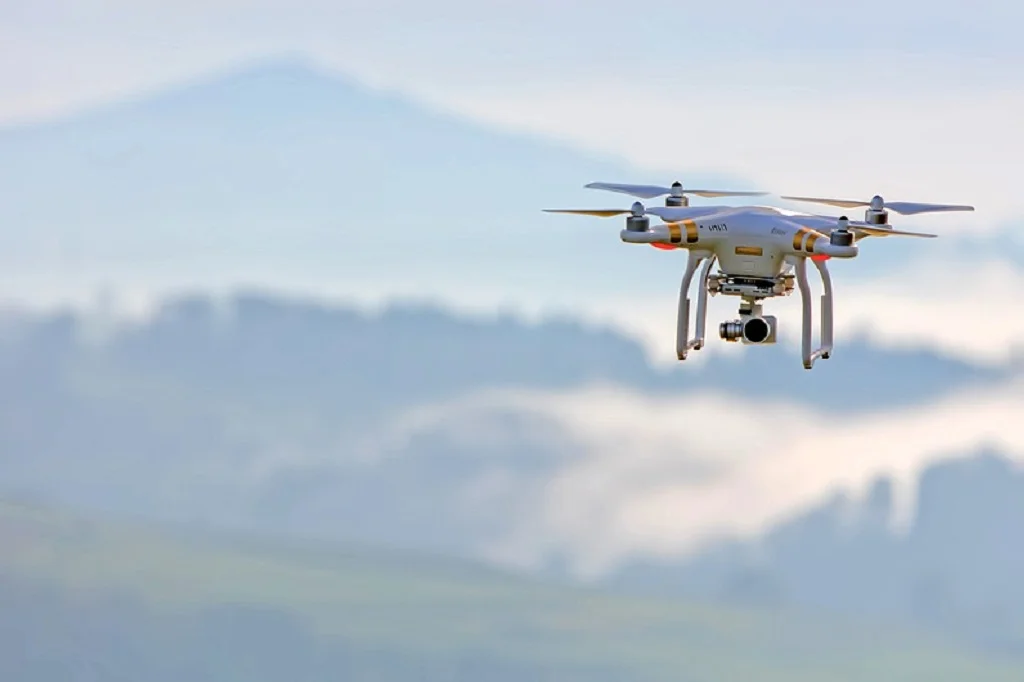
Flying drones is so much fun and can be rewarding if you can get some great footage while you are in full flight. It can be tricky at first but the more you practice the better you will be. In this tutorial, we will cover some drone tips and how to shoot great drone videos.
There are some difficulties that almost everyone will encounter when handling the drone from the remote control down on the ground.
- Firstly, it’s tricky to get some great drone videos and keep your eyes on the drone and the controls at the same time.
- Secondly, once you are up in the air, it’s a tricky task to not only keep the correct bearings and altitude but if you have lost vision of your drone will may not know what obstacles may be in your way that can obstruct your flight path.
- Lastly, and more to the point, it can be extremely difficult to record high-quality drone videos. Sure, most of us can manage to get the drone off the ground and the video camera rolling but it can take practice to control the camera and move the camera smoothly without sudden movements or jitters.
The last thing you want is to be disappointed with your drone video footage when sit down to view it. You may think you are taking some really great footage only to find the sunlight was bleaching out the entire scene you were trying to capture or you are not happy with the angle or speed of the camera motion. Its also not uncommon to find that your video can be shaky, to the point you can feel seasick just watching the horizon bouncing up and down. There are a number of other common problems, like drone videos taken too high up, so you can’t really see what’s happening on the ground.
In this tech tip we will cover simple drone tips to record truly impressive drone videos with your drone.
How to shoot great drone videos
Create a flight path first
If you’re flying a drone to have some fun, just go outside and hit the skies. But if you’re taking a video for your organisation’s construction site or taking professional-looking footage of your home you are putting up for sale you will need to plan ahead. One mistake too many people make is to start flying your drone and then, once airborne, scramble to figure out how to get the video camera going.
Instead its a good idea to put together a flight plan first and scope out the area you want to capture and think about the ideal height to capture what’s going on at ground level. You can often create the flight plan and way points first by flying your intended route first. This will allow you to have the drone automatically fly that path without intervention. All you need to do is ensure the camera is steady and take a smooth stream of footage.
Use the sun to your advantage
Together, we take billions of photos and videos every year. One of the fundamentals of taking photos we’ve all learned is to always have the sun at your back. It lights up the people and places you want to capture. Otherwise, if the sun is in your face, it’s bleaching out the camera and the images you’re trying to capture. The same is true for a drone video. Make sure you’re flying the drone so the video camera is pointing away from the sun.
Bring Extra Hands
It’s sometimes difficult to manage both a drone’s remote control and an airborne video camera and also any obstacles that may be in the vicinity of the drone. After all, that multitask you still need to concentrate on capturing epic footage. It’s a good idea to have someone next to you to keep an eye on the drone when airborne. This will leave you one less task for you to concentrate on.
Record from Ground Level
It’s complicated on its own to fly a drone and record a video, so don’t complicate things more than you have to. Instead of turning on the video camera once it’s in the air, ensure it’s recording at ground level. The footage you take when taking off is great footage and if you decide that you do not want it then it can be easily edited later on. Some of the best videos are those where you are flying towards the subject or in reverse or taking off moving away from the subject.
Add Extra Storage
Your drone most likely has a limited amount of storage space, typically on a microSD card. Consider upgrading if you have less than 256GB of storage. You’ll capture more video and you won’t have to land as often to change SD cards.
Never Just Shoot One Video
While one video you take could come out poorly, the risk of having a series of shots all come out badly is far lower. Video editing is really easy so if you shoot a number of videos you can pick and choose the best clips to create your project.
Camera And Gimbal Quality
When describing a gimbal in photography it is simple the pivot point that allows you to rotate the camera along a single axis. You can capture incredible images from various angles by shooting with a gimbal. A lack of a gimbal will make your video shaky and unusable professionally. When shopping for a drone look for a 4k video camera and make sure to get a good gimbal with the drone. DJI Phantom 3 Professional Phantom 4 are examples of amazing drones that come with a great camera and excellent flight time.
Make your footage simple and smooth
When piloting a drone and shooting aerial video, try as hard as you can to make the footage smooth. No bumps, no drops, no shaking or zig-zags. Your audience should not be reminded that they are looking out of a video camera. Audiences want to be convinced that they are personally floating around like a ghost watching everything from above. The key to this is very, very smooth high-quality drone footage. Drones these days come with plenty of stabilisers to prevent camera shaking.
Pick the right locations for your flight
The first thing to consider when planning a location for your aerial photography mission is safety. Ideally, you should be flying in locations that are not crowded with people. The lesser the potential to hurt someone, the better.
Avoid flying your drone near airports, helipads, nuclear reactors and other sensitive zones and try not to overstep private boundaries. If you want to fly over land owned by private individuals, contact them and ask for their permission. Make sure do not fly in locations that you are not supposed to.
Of course, flying safely doesn’t mean that you should stick to your neighbourhood or backyard. It is important to plan locations where you would be able to get your ideal shots and this means heading out and being adventurous.
Be considerate and fly safely
You may be great with your drone flying techniques, BUT…… please don’t be a jerk, respect others’ privacy and always put safety and respect others before the deadline or the impossible shot.
As the drone pilot, it is your responsibility to draw the line. If you work for someone else, learn to say ‘no’ if you feel that there is a safety risk performing the flight.
Closing
You can use drones to take professional-level aerial photos and videos, you just have to know how to use them. Hopefully some of these drone tips can help improve your drone aerial footage. Practice makes perfect so take your drone out as much as you can and start experimenting on various techniques.
