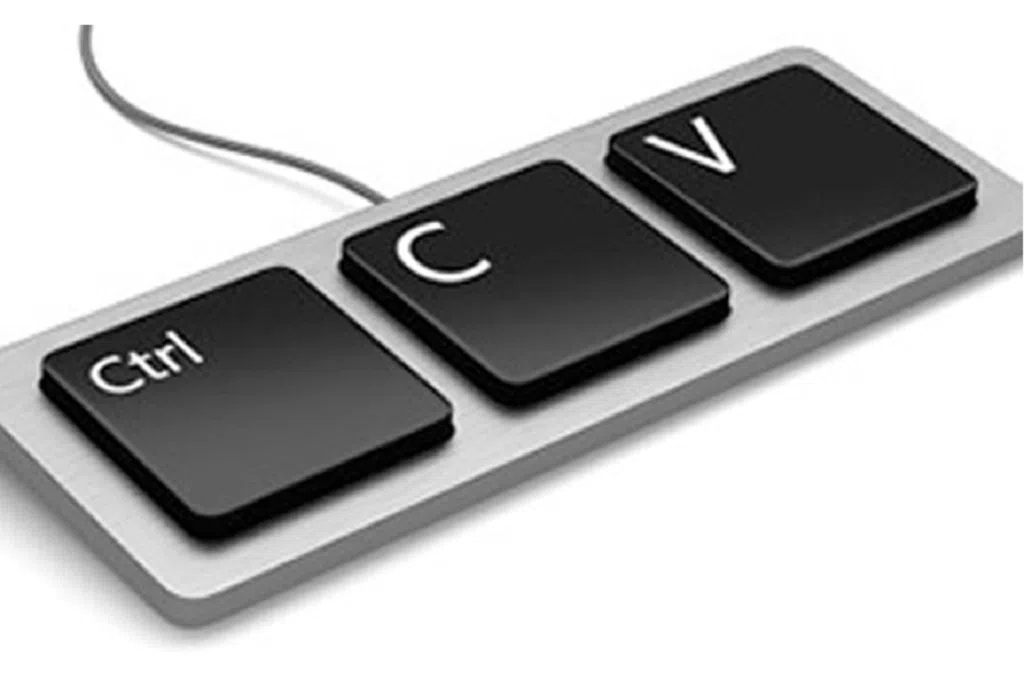
clipboard history

If you’ve spent hours troubleshooting, writing scripts, or managing multiple documentation tabs, you know the frustration of losing copied text when your next copy operation overwrites it. Traditional Windows clipboard only allows one item at a time — a limitation that slows down workflows, introduces errors, and can disrupt complex multitasking.

With Windows 10 Clipboard History, Microsoft finally addressed this pain point. This feature allows you to store up to 25 copied items and recall them easily using a simple keyboard shortcut (Windows Key + V). From snippets of code to complex URLs, configuration strings, or troubleshooting notes, you can now maintain a persistent clipboard buffer without relying on third-party apps.

For IT professionals, this isn’t just a convenience — it’s a productivity multiplier.


How Clipboard History Works Under the Hood

Clipboard History isn’t just a simple buffer; it’s designed to work seamlessly across apps while keeping security in mind:

  • Persistent storage: Clipboard items are stored locally and remain accessible even if you switch applications.
  • Synchronization (optional): With Microsoft accounts, you can sync clipboard history across devices, making it easy to copy on your workstation and paste on your laptop or tablet.
  • Privacy-aware: Sensitive items (like passwords) are automatically excluded when using Clipboard History. IT admins should note that corporate security policies may restrict syncing.

A key limitation: only the 25 most recent entries are retained, and the oldest entry is discarded when new items are copied.


Step-by-Step Guide: Enabling Clipboard History

Enabling this feature is straightforward, but there are multiple ways to do it depending on your workflow preference:

Method 1: Keyboard Shortcut Activation

  1. Press Windows Key + V
  2. A small pop-up will appear prompting you to Enable Clipboard History.
  3. Click Enable, and the feature is active immediately.

This is the quickest method, especially for power users who want instant activation.


Method 2: Using Windows Settings

  1. Click the Start Menu and type Clipboard Settings, then select it.
  2. Under Clipboard, locate the Clipboard History toggle.
  3. Switch it to On.

Optional: You can also enable Sync across devices here if your Microsoft account and corporate policy allow it.

Tip for IT professionals: Enabling clipboard syncing can significantly streamline remote troubleshooting, script testing, and documentation workflows across multiple endpoints.


How to Use Clipboard History Efficiently

Once enabled, using Clipboard History is intuitive but can be optimized for professional use:

  1. Copy as usual
    • Press Ctrl + C or right-click → Copy for text, URLs, images, or files.
  2. Access Clipboard History
    • Press Windows Key + V
    • A window appears showing recent items, with the most recent at the top.
  1. Paste from history
    • Click on the desired entry or navigate with arrow keys + Enter.
  2. Pin frequently used items
    • Items can be pinned to prevent automatic removal when exceeding the 25-item limit. This is useful for scripts, command-line commands, or server credentials you use repeatedly (but never sensitive passwords).

Real-World IT Scenarios

  • Scripting and automation: Copy multiple PowerShell commands or Bash scripts, switch between editors, and paste selectively without losing context.
  • Documentation and reporting: Collect error messages, ticket notes, or logs and paste them into reports efficiently.
  • Multi-device workflows: With clipboard syncing, copy config commands on your desktop and paste them directly on a remote server via RDP or Teams on another machine.
  • Troubleshooting repetitive tasks: IT admins can copy multiple registry keys or configuration strings and reuse them without repetitive typing.

Clipboard History Limitations and Considerations

While powerful, Clipboard History has limitations every IT professional should be aware of:

  1. Item retention: Only the 25 most recent items are stored. Older entries are removed automatically.
  2. Unsupported data types: Complex objects from some legacy applications or third-party programs may not appear in history.
  3. Security concerns: Clipboard items may include sensitive information. Avoid enabling clipboard sync for highly sensitive environments.
  4. Not a permanent storage solution: This is a transient tool for efficiency — don’t rely on it for long-term storage of critical information.

Expert Tip: Combine Clipboard History with pinned items and a lightweight snippet manager (like Ditto or ClipMate) for enterprise-level clipboard management.


Enhancing Productivity Beyond Clipboard History

Clipboard History is just one tool in the IT professional’s productivity arsenal. Here’s how to maximize its potential:

  • Keyboard-centric workflow: Use Windows + V instead of menus to reduce context-switching.
  • Pin reusable items: Keep frequently used commands, URLs, or templates pinned for fast access.
  • Pair with multi-monitor setups: On dual or triple screens, you can copy items on one screen and paste across apps without switching windows.
  • Secure your clipboard: Regularly clear sensitive entries if multiple users access the same workstation. Windows provides Clear Clipboard Data under Clipboard Settings.

Enterprise Deployment Considerations

For IT administrators managing multiple endpoints, Clipboard History can be configured via Group Policy or Intune:

  • Group Policy Path: Computer Configuration → Administrative Templates → System → OS Policies → Allow Clipboard History
  • Intune Configuration: Available in Device Restriction Profiles, enabling or disabling the feature per policy.

Best practice: For corporate environments with security restrictions, enable local clipboard only and disable cloud sync. This prevents sensitive company data from being inadvertently synced across personal devices.


Common Pitfalls IT Professionals Encounter

  • Users expecting more than 25 items and complaining about lost entries. Solution: Pin frequently used items.
  • Misunderstanding syncing: Some think it auto-syncs across all devices without a Microsoft account. Solution: Educate users on account requirements.
  • Overwriting pinned items accidentally. Solution: Use careful selection when pasting from history.

By anticipating these issues, you can provide better support and user guidance.


Final Thoughts: Why Clipboard History is a Must-Have for IT Pros

Windows 10 Clipboard History may seem like a small upgrade, but for IT professionals, it dramatically improves workflow efficiency. From script management to documentation, troubleshooting, and multi-device operations, this feature reduces repetitive tasks and cognitive load.

Combined with good workflow discipline, pinned items, and enterprise policy awareness, Clipboard History transforms the way IT professionals interact with Windows — making repetitive copy-paste tasks faster, safer, and smarter.

Enable it today, train your team, and you’ll notice a tangible productivity improvement in daily IT operations.

isappear when you hit 25 items

Leave a Reply

Your email address will not be published. Required fields are marked *