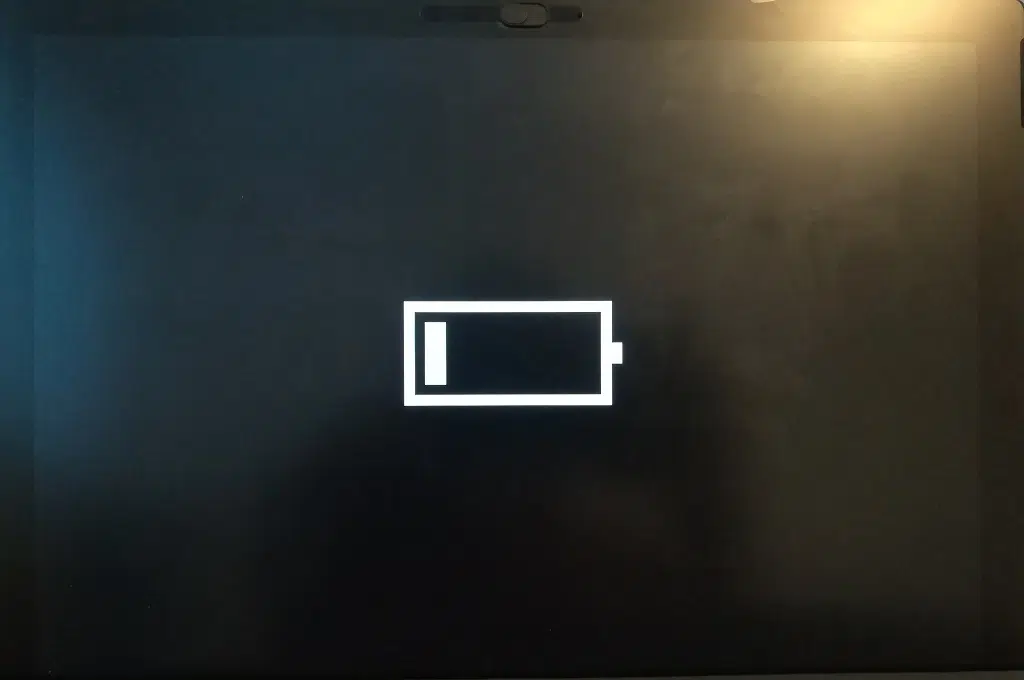
The Microsoft Surface Pro is, without question, one of the most versatile devices Microsoft has ever released. It bridges the gap between tablet and laptop better than most competitors and is widely adopted across enterprise, education, and executive environments.
However, after supporting hundreds of Surface devices in real-world corporate environments, one design flaw consistently stands out:
The Surface Pro charger.
Specifically, the magnetic Surface Connect charging port is fragile, unforgiving, and prone to failure in ways that confuse even experienced IT professionals. If you’ve ever had a Surface Pro randomly stop charging, show a flashing LED, or only charge at a specific angle—you’re not alone.
This guide goes beyond generic advice and explains why Surface chargers fail, how to systematically troubleshoot the issue, and when it’s time to stop wasting time and replace the power supply.
Understanding the Surface Pro Charging Design (And Why It Fails)
Microsoft’s proprietary Surface Connect port uses a magnetic pogo-pin design rather than USB-C (on older models). While this allows for easy attachment and accidental cable release, it introduces several weaknesses:
- Exposed contacts (dust and oxidation risk)
- Minimal strain relief at the cable head
- High sensitivity to alignment
- No mechanical locking
In enterprise deployments, these chargers fail far more frequently than USB-C power supplies. The most common symptom is the LED light flashing or turning off intermittently.
Common Symptoms of a Surface Pro Charger Problem
Before troubleshooting, confirm what you’re seeing:
- Charger LED blinking or flickering
- Charger LED on, but battery percentage not increasing
- Charging only works at a certain angle
- Surface reports “Plugged in, not charging”
- Surface completely dead despite being plugged in
Each of these symptoms points to different root causes, which we’ll address below.

Step-by-Step: Surface Pro Charger Not Working – How to Fix It
1. Verify You’re Using the Correct Power Supply
This sounds obvious, but it’s frequently overlooked—especially in offices where chargers get mixed up.
Surface power supplies vary by:
- Wattage
- Model generation
- Dock compatibility
Using an underpowered charger (e.g. a Surface Go charger on a Surface Pro) can cause:
- Slow charging
- Charging refusal
- Intermittent disconnects
Rule of thumb:
Always use the original charger shipped with the device or a genuine Microsoft replacement.
2. Inspect the Charger and Port (Don’t Skip This)
From hands-on experience, physical damage is the #1 cause of Surface charging failures.
Check for:
- Bent or recessed pins
- Frayed cable near the connector
- Heat discolouration
- Loose magnetic head
Use a torch and compressed air to gently clean the port. Even microscopic debris can break the charging circuit.
If the cable works only when held at a certain angle, the charger is already failing—even if it “sometimes” works.
3. Perform a Proper Charger Reset (This Actually Matters)
Microsoft’s recommended reset process exists for a reason.
- Disconnect the charger from:
- Surface device
- Wall outlet
- Remove all USB accessories
- Wait at least 10 seconds (important)
- Clean contacts with a dry, lint-free cloth
- Reconnect directly to a wall outlet (not a power board)
This resets the charger’s internal protection circuitry.
4. Flip the Charger 180 Degrees
The Surface Connect plug is reversible—but the contacts don’t always wear evenly.
Flip the connector and reconnect it.
Surprisingly, this resolves charging issues more often than you’d expect.
5. Try a Different Power Source (And Avoid Cheap Power Boards)
Power boards, surge protectors, and desk outlets introduce inconsistent voltage—especially in older buildings.
Test with:
- A different wall outlet
- A known-good power point
- A different building circuit if possible
I’ve personally seen Surface chargers refuse to work on a power board but charge perfectly from a wall socket.
6. Force a Full Surface Hardware Reset
If the Surface firmware is locked in a bad power state, charging can fail even when hardware is fine.
Perform a forced shutdown:
- Hold Power for 30 seconds (ignore screen activity)
- Release
- Hold Power + Volume Up for 15 seconds
- Release when the Surface logo appears
- Wait 10 seconds
- Power on normally
This clears firmware-level power management faults.
7. Check for Windows and Firmware Updates
Surface devices rely heavily on firmware delivered through Windows Update.
Outdated firmware can cause:
- Power negotiation failures
- Dock incompatibility
- Battery misreporting
Go to:
Settings → Windows Update → Check for updates
Install all firmware, driver, and Surface updates, then reboot.
8. Surface Dock Charging Caveat (Important)
If your Surface battery is completely drained:
- Surface Dock may not initiate charging
- Use the original power supply first
- Allow 5–10 minutes of charge
- Then reconnect to the Dock
This is a known limitation and often mistaken for a dead device.
When the Charger Is the Problem (And It Usually Is)
After supporting Surface fleets for years, I can confidently say:
If you’ve ruled out software, firmware, and power sources—the charger is almost always the culprit.
Surface chargers degrade internally long before they fail completely. Intermittent charging is the warning sign.
Genuine vs Third-Party Chargers: My Professional Opinion
Microsoft officially recommends only genuine or licensed chargers, and for good reason:
- Proper wattage negotiation
- Correct pin tolerances
- Thermal protection
- Firmware compatibility
Cheap third-party chargers may:
- Damage the battery
- Cause overheating
- Fail silently
- Void warranty claims
In business environments, I always standardise on Microsoft-branded replacements. The downtime saved alone justifies the cost.
Warranty and Replacement: Don’t Overthink It
If your Surface charger is still under warranty:
- Microsoft often replaces chargers with minimal questioning
- Especially if the LED is flickering or dead
Start here:
Microsoft Device Service and Repair
In many cases, this is faster than further troubleshooting.
Final Thoughts: A Design Flaw You Have to Plan Around
The Surface Pro is an excellent productivity device—but the charger is undeniably its weakest link.
From an IT professional’s perspective:
- Keep spare chargers on hand
- Label chargers to prevent swapping
- Replace at first sign of intermittent behaviour
- Avoid cheap third-party alternatives
If your Surface Pro charger is flashing, unreliable, or dead, don’t waste hours chasing software ghosts. In most cases, the charger has already failed—and replacing it is the most efficient solution.

From my early days on the helpdesk through roles as a service desk manager, systems administrator, and network engineer, I’ve spent more than 25 years in the IT world. As I transition into cyber security, my goal is to make tech a little less confusing by sharing what I’ve learned and helping others wherever I can.
