uninstall windows 10 updates

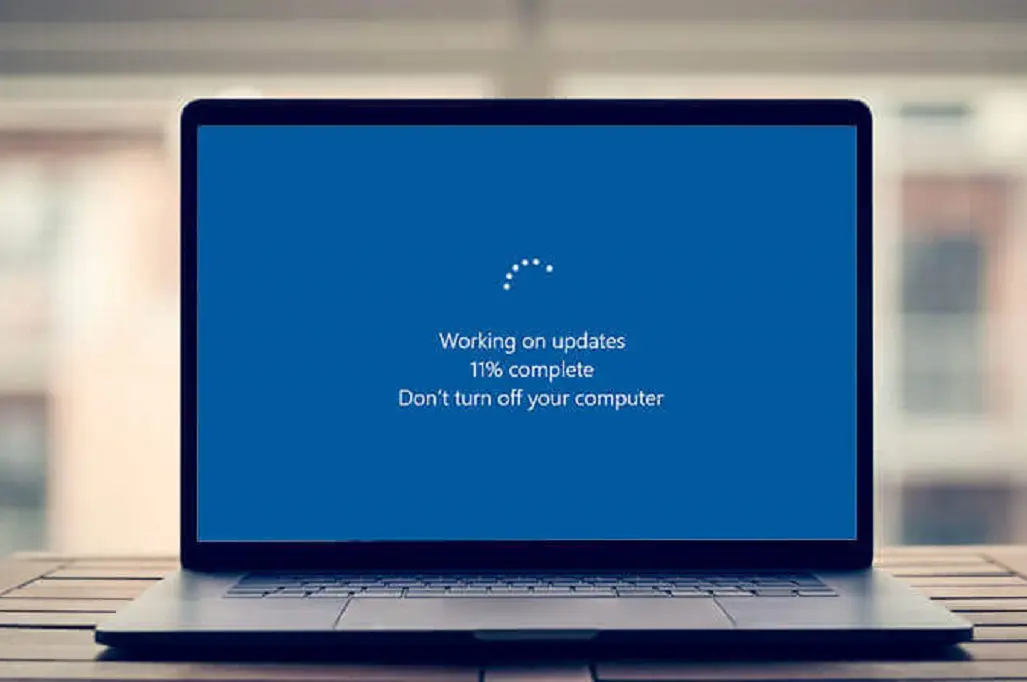
Most IT professionals have a war story involving Windows Updates. A routine patch night turns into a boot loop. A “successful” update installs, reboots… and suddenly the system won’t load past the spinning dots.

While Windows Update reliability has improved significantly over the years, cumulative and feature updates can still introduce breaking changes, especially in environments with:

  • Legacy drivers or firmware
  • Custom boot configurations
  • BitLocker-enabled devices
  • Older hardware with limited vendor support
  • Endpoint protection or disk encryption software

The biggest challenge?
When the machine won’t boot, you lose access to the very tools you need to troubleshoot.

Fortunately, Microsoft introduced a much-needed improvement: the ability to uninstall Windows updates directly from the Windows Recovery Environment (WinRE) — no desktop access required.

This article walks through how to safely uninstall problematic updates when Windows won’t boot, explains what’s really happening under the hood, and shares real-world advice to avoid repeat incidents.


Understanding the Problem: Why Windows Updates Can Break Boot

Before jumping into recovery steps, it helps to understand why updates sometimes render systems unbootable.

Common Root Causes Seen in the Field

From real-world IT operations, boot failures after updates are often caused by:

  • Driver incompatibility (storage, GPU, chipset drivers)
  • Corrupt boot configuration data (BCD)
  • Third-party security software hooking into boot processes
  • Firmware/BIOS incompatibility with new kernel changes
  • Feature updates introducing platform-level changes
  • Interrupted update installs (power loss, forced shutdowns)

Importantly, Windows updates are divided into two different categories, and knowing the difference matters during recovery.


Quality Updates vs Feature Updates (Critical Difference)

Quality Updates

  • Monthly cumulative updates
  • Security patches and bug fixes
  • Smaller in size
  • Faster to uninstall
  • Less likely to change core OS behaviour

Feature Updates

  • Major Windows version upgrades (e.g. 21H2 → 22H2)
  • Replace large portions of the OS
  • Much higher risk of incompatibility
  • More intrusive rollback process
  • Time-limited uninstall window (usually 10 days)

Knowing which update caused the issue helps you choose the correct rollback option later.


How to Uninstall Windows Updates When the PC Will Not Boot

1. First, insert the Windows 10 installation media, start your PC and boot into it. On the main installation screen, click on the “Next” button.

Uninstall Windows Updates

2. Since we want to access the advanced startup options, click on the “Repair your computer” link appearing at the bottom-left corner of the window.

Repair your computer

3. The above action will take you to the advanced startup screen. Here, select the “Troubleshoot” option.

Uninstall Update When Not Booting 03 Select Troubleshoot

4. In this screen select the “Uninstall Updates” option.

Uninstall Update When Not Booting 04 Select Uninstall

5. If you want to uninstall regular Windows 10 quality updates, then select “Uninstall latest quality update” option. To uninstall the latest feature update, select “Uninstall latest feature update.” In my case, I want to uninstall the feature update, so I selected the second option.

Uninstall Windows Updates

6. You will now see a confirmation screen. Simply click on the “Uninstall feature update” or “Uninstall quality update” button.

Uninstall Windows Updates

7. As soon as you click on the button, Windows 10 will scan your system and uninstall the latest update. You might be prompted to enter your username and password to continue.

8. After the update has been successfully uninstalled, the computer will reboot automatically.

What If Uninstalling the Update Doesn’t Work?

In the field, update removal fixes the issue around 70–80% of the time. If it doesn’t, move on to these escalation steps.

Try Startup Repair

Troubleshoot → Advanced options → Startup Repair

This can fix:

  • Broken boot records
  • Corrupt BCD entries
  • Missing system files

Check BitLocker Status

If BitLocker is enabled:

  • You may need the recovery key
  • Removing updates can trigger BitLocker recovery mode

Always verify BitLocker state before large updates in enterprise environments.


System Restore (If Enabled)

If restore points exist:
Advanced options → System Restore

This rolls back:

  • Registry changes
  • Drivers
  • Updates

Without touching user data.


Preventing Future Boot Failures from Updates

Experienced IT teams don’t just fix — they prevent.

Best Practices from the Field

  • Delay feature updates using Group Policy or Intune
  • Pilot updates on test machines first
  • Keep firmware and BIOS updated
  • Avoid third-party boot-level security software conflicts
  • Ensure disk health before updates
  • Enable system restore on endpoints
  • Maintain offline recovery media

💡 Hard-earned lesson:
Blindly approving feature updates across an estate is one of the fastest ways to create widespread outages.


Final Thoughts: Recovery Beats Rebuild Every Time

When a Windows PC fails to boot after an update, the instinctive reaction is often to reimage the machine. In many cases, that’s unnecessary.

The ability to uninstall Windows updates directly from the recovery environment is one of the most valuable — and underused — tools available to IT professionals today.

Knowing how to access it quickly can:

  • Save hours of downtime
  • Prevent data loss
  • Avoid unnecessary rebuilds
  • Reduce user disruption
  • Improve recovery confidence during incidents

For any IT professional managing Windows systems, this should be a core recovery skill, not an afterthought.

Leave a Reply

Your email address will not be published. Required fields are marked *